Healthcare Content Strategy & UX
Transforming mental health treatment communication through evidence-based content strategy for drug-free, FDA-approved therapies and breakthrough neurotherapy innovations. At Breakthrough six I worked as the first design hire on 0-1 design from launching software, and DTC to B2B on the physician side of things. Ensuring HIPPA compliance among others.
Organization Overview
Network
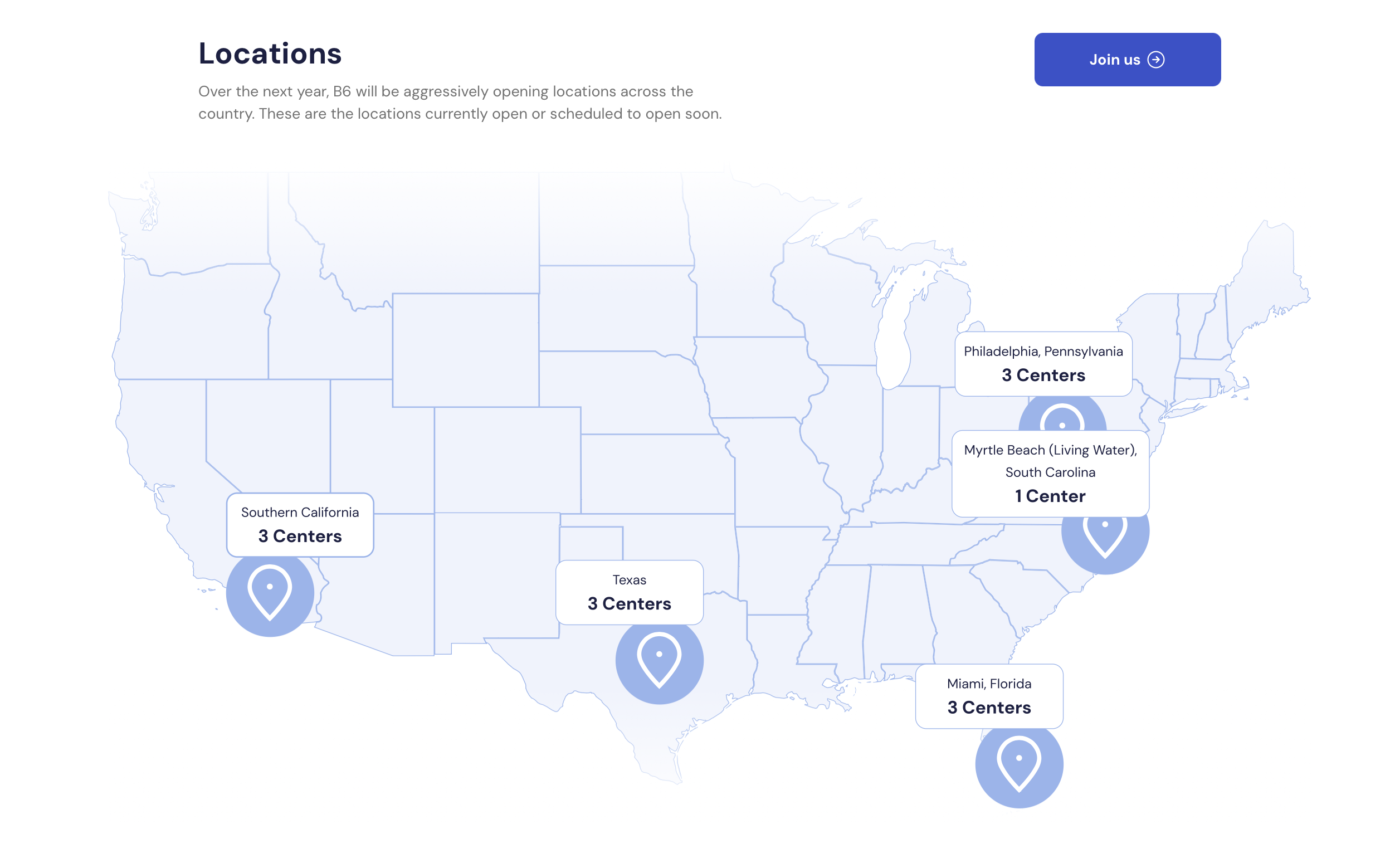
Regional network of 12 mental health treatment centers specializing in drug-free neurotherapy
Service Lines
TMS (Transcranial Magnetic Stimulation), PRISM neurofeedback, ketamine therapy, and traditional psychotherapy
Patient Volume
15,000+ patients annually across all locations
Project Timeline
Discovery & Audit
6 weeks (January - Mid-February 2024)
Strategy Development
4 weeks (Mid-February - Mid-March 2024)
Implementation Phase 1
12 weeks (April - June 2024)
Testing & Optimization
8 weeks (July - August 2024)
Full Launch
September 2024
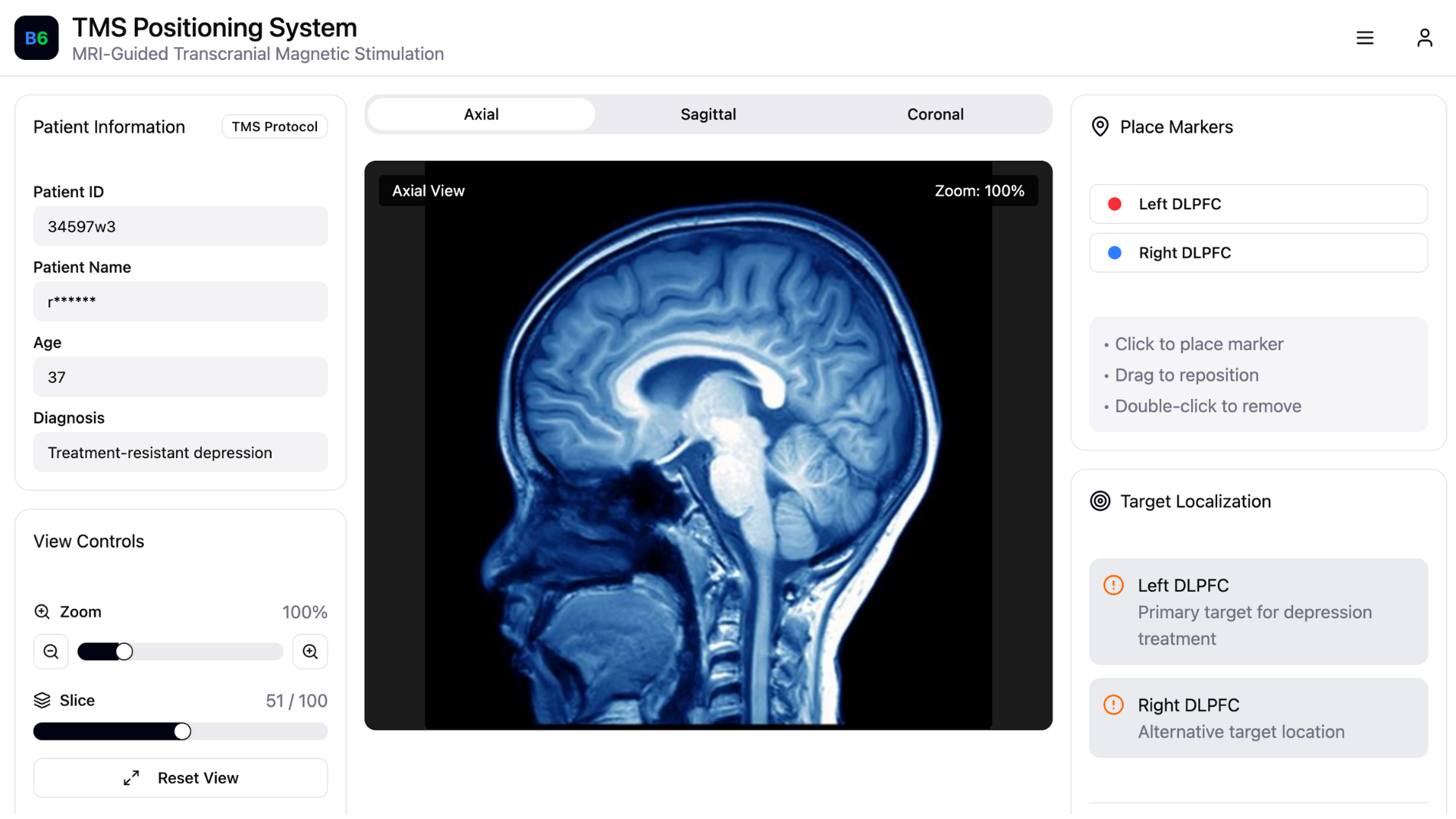
TMS Positioning System Interface
Click the image above to View Figma Prototype
Content Strategy
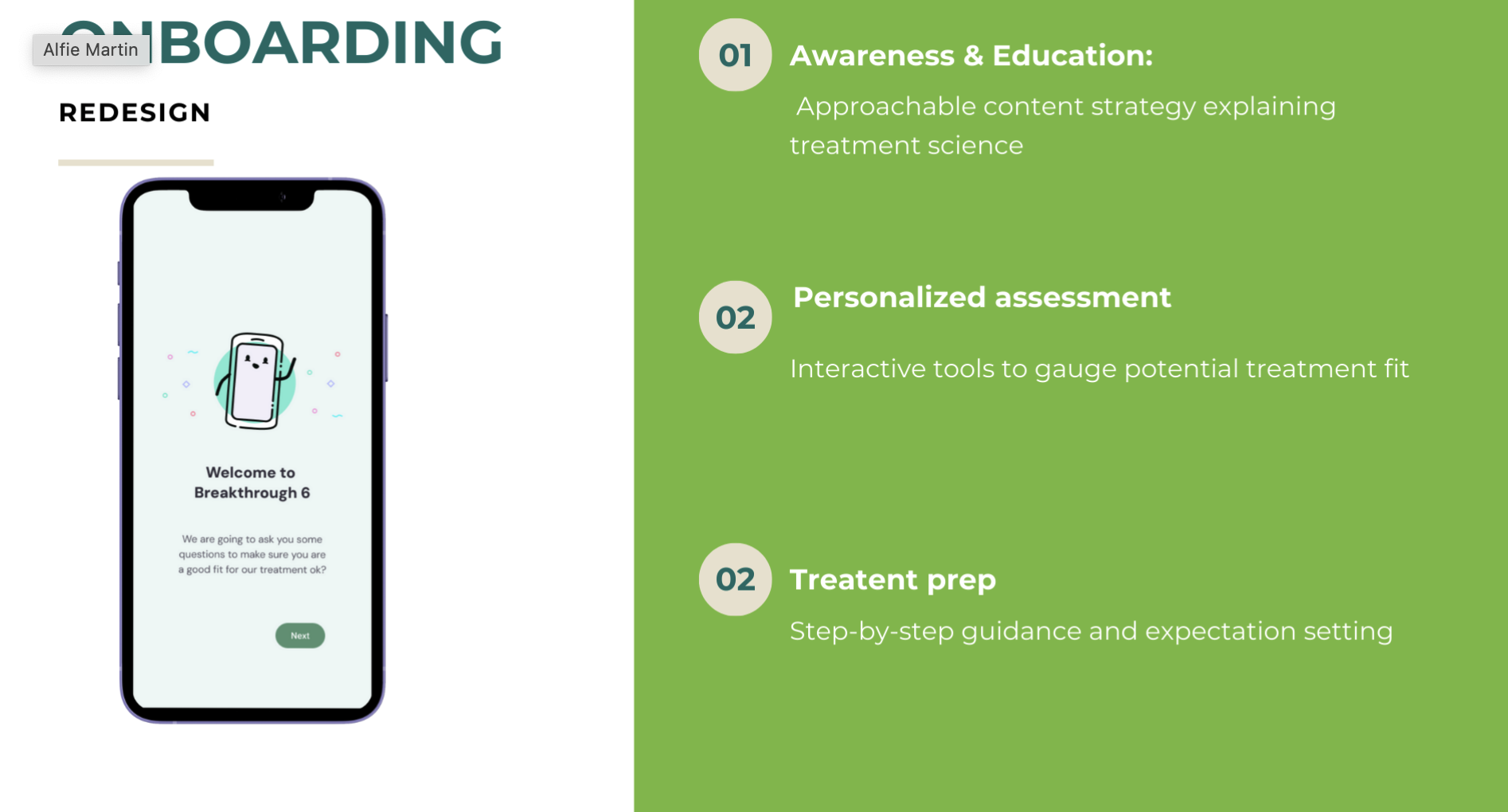
My goal for the content and strategy of our patient-facing digital presence was to fix a problem within Breakthrough 6 that had existed at nearly every medical organization. The goal was for us to be the bridge between medical scientific research and communicating these findings in ways that our patients understood.
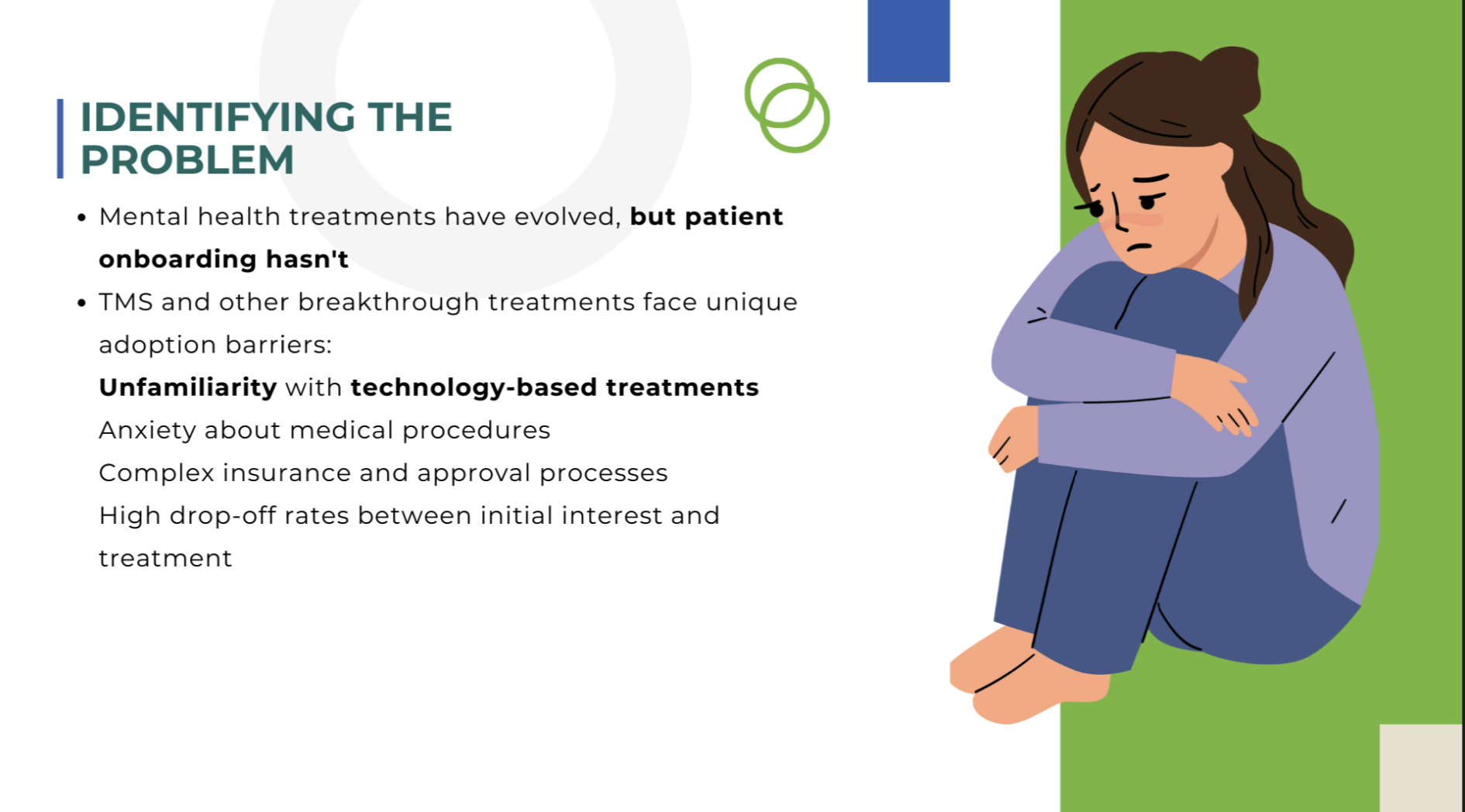
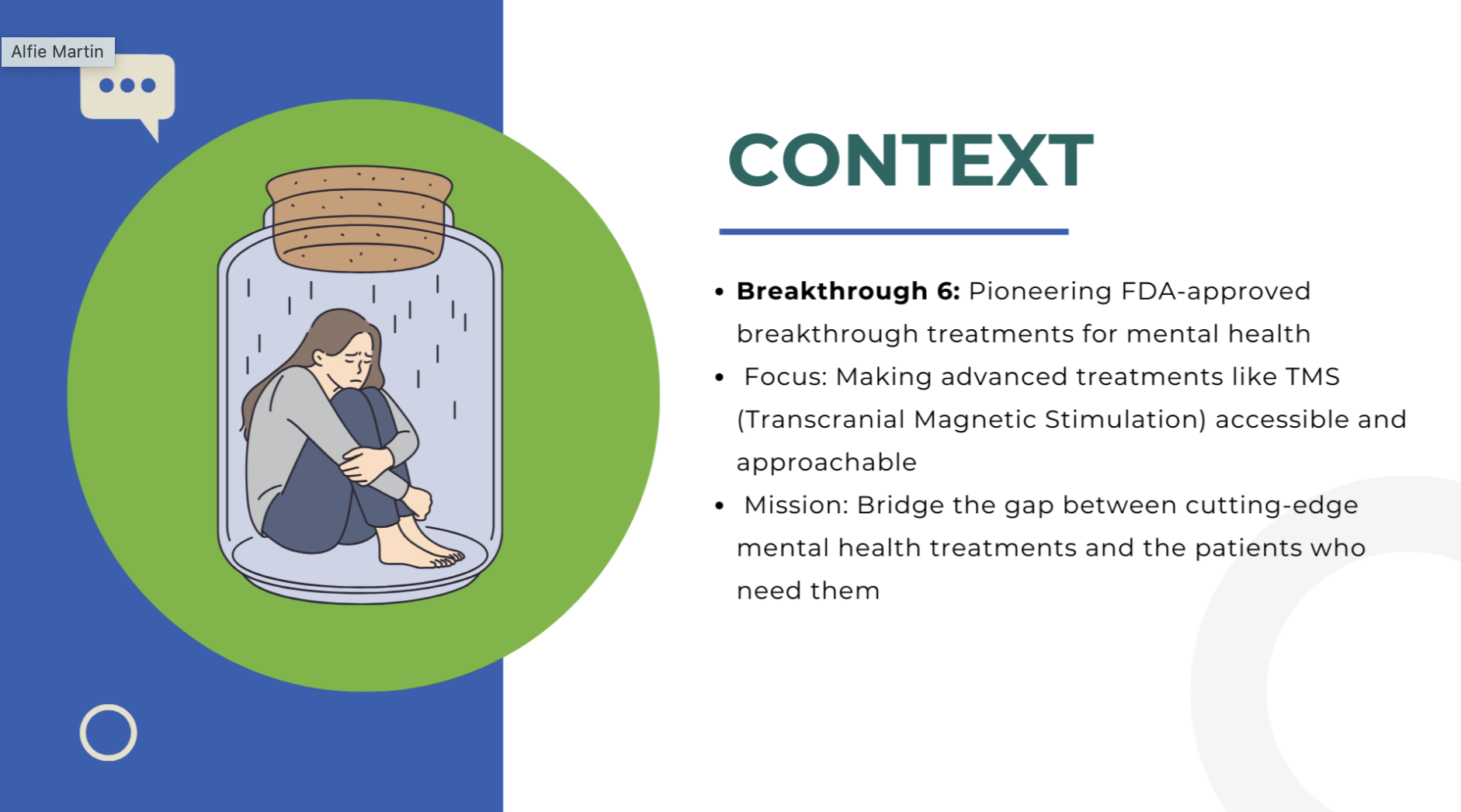
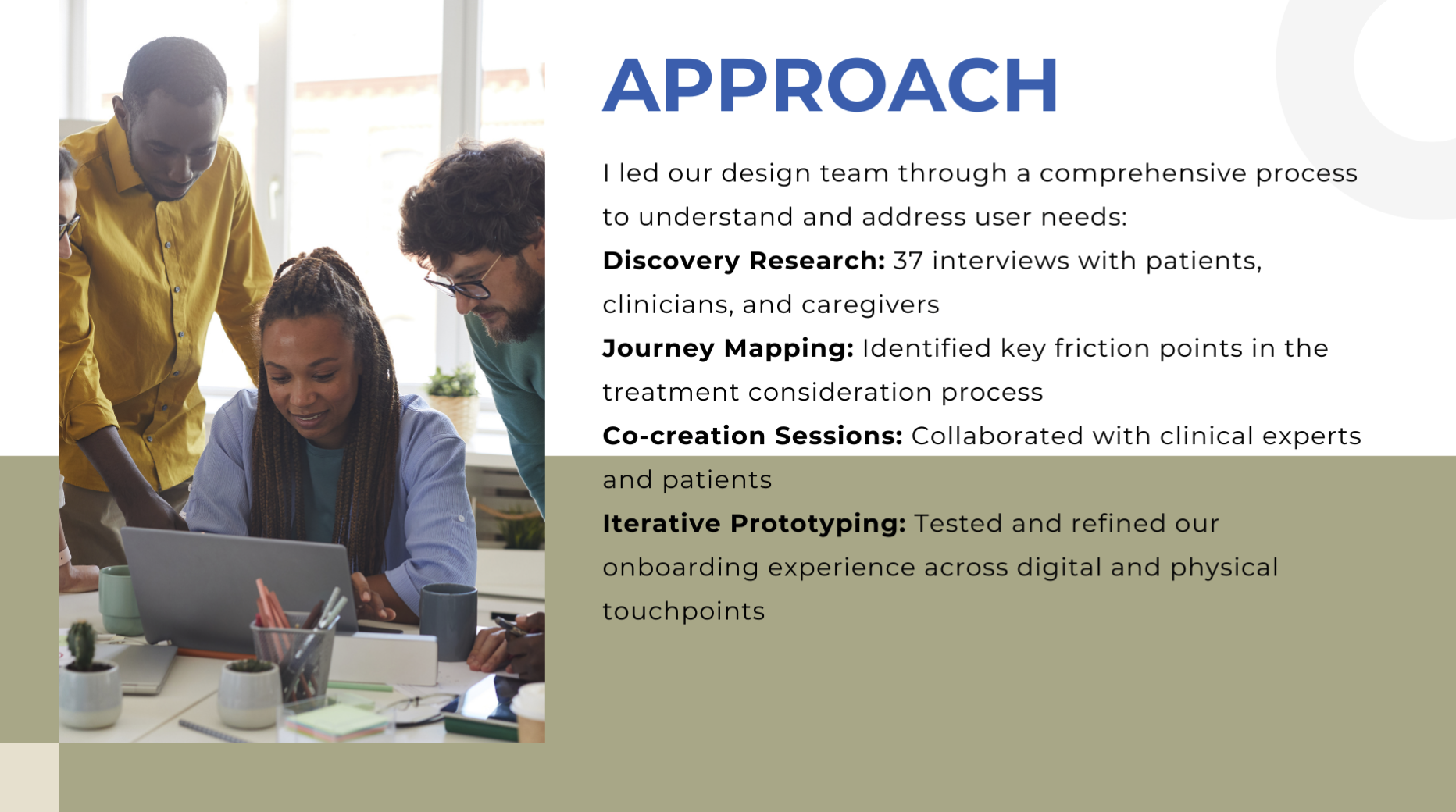

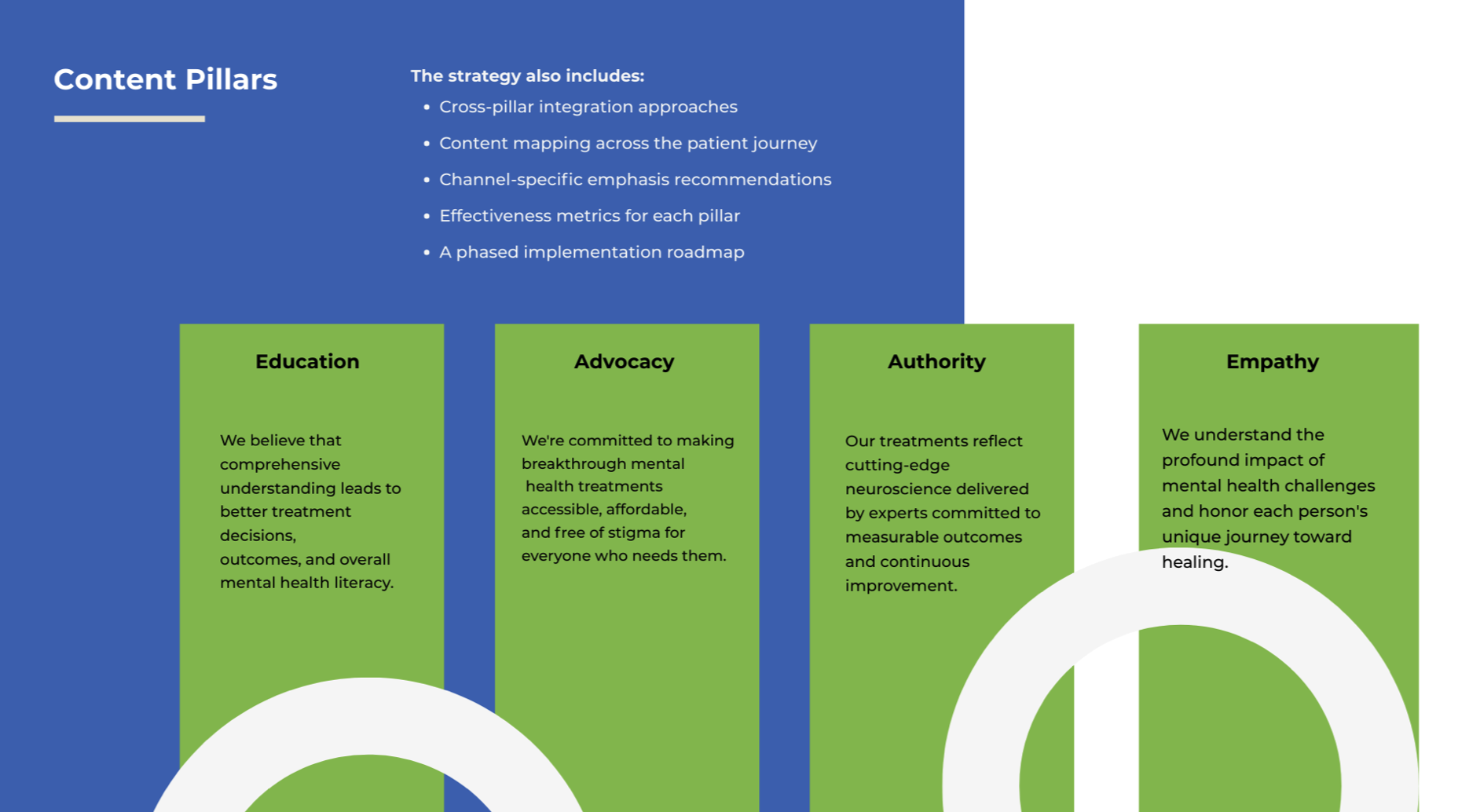
Content Strategy Dashboard
Comprehensive overview of the healthcare content management system with accessibility features
Breakthrough Mental Health Communication
Comprehensive content strategy development for revolutionary mental health treatment centers offering drug-free, FDA-approved therapies including TMS, PRISM, and advanced neurotherapy solutions.
Our mission was to demystify breakthrough mental health treatments, educate patients about innovative neurotherapy options, and create accessible content that builds trust in evidence-based, medication-free approaches to treating depression, PTSD, ADHD, and OCD.
The Challenge
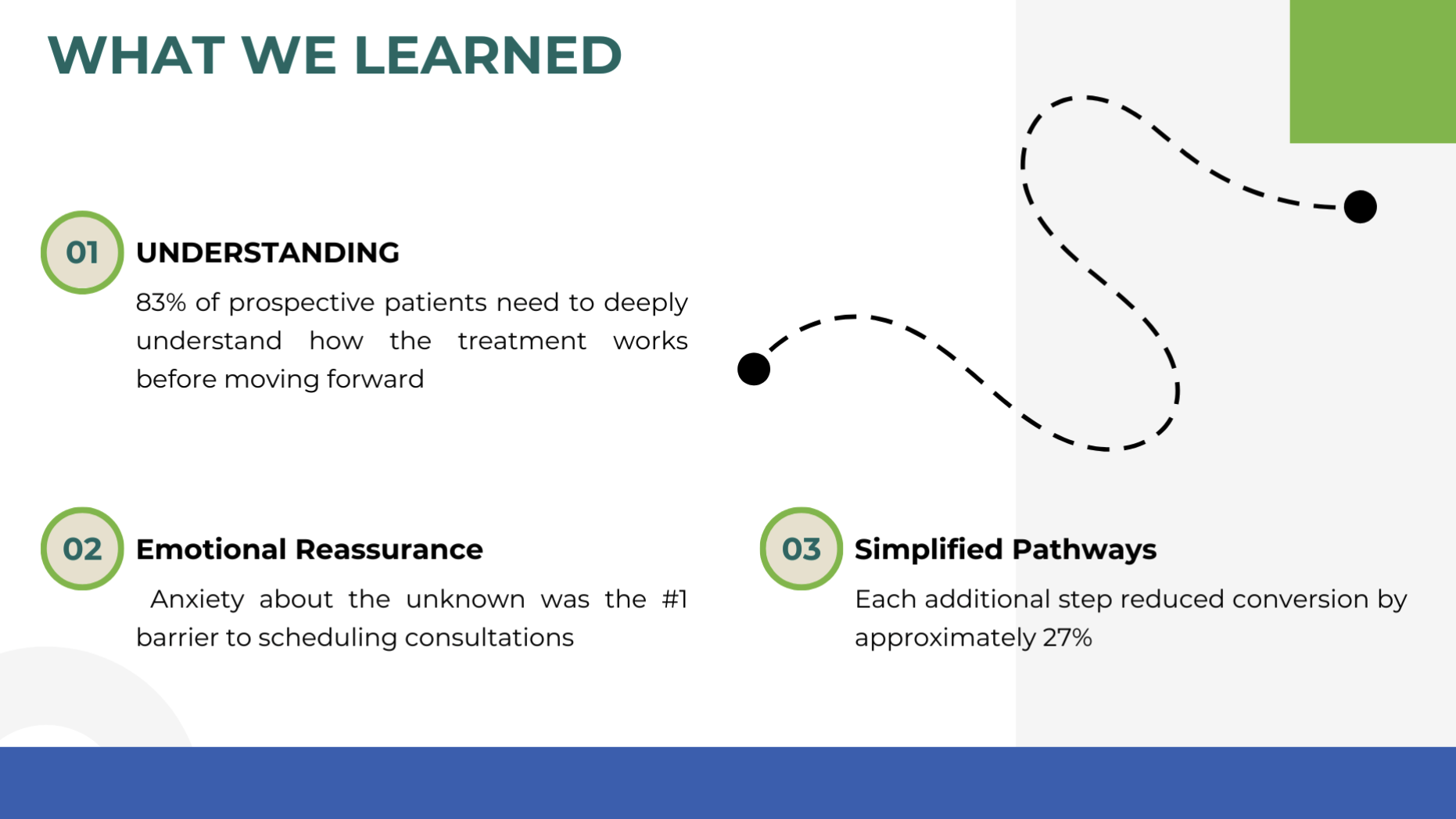
Patients were overwhelmed by complex medical terminology and struggled to find relevant health information, resulting in poor platform engagement.
Complex Medical Language
Medical jargon and technical terminology created barriers to patient understanding and engagement.
Poor Information Architecture
Patients couldn't easily find relevant health information, leading to frustration and abandonment.
High Support Volume
Unclear content led to increased support requests and patient confusion about medical procedures.
Content Audit Findings
Critical Issues Identified
- Medical terminology at graduate reading level
Design System
A design system built to ensure consistency, accessibility, and scalability across all patient-facing and practitioner digital experiences. Click the design system link above to view Figma file
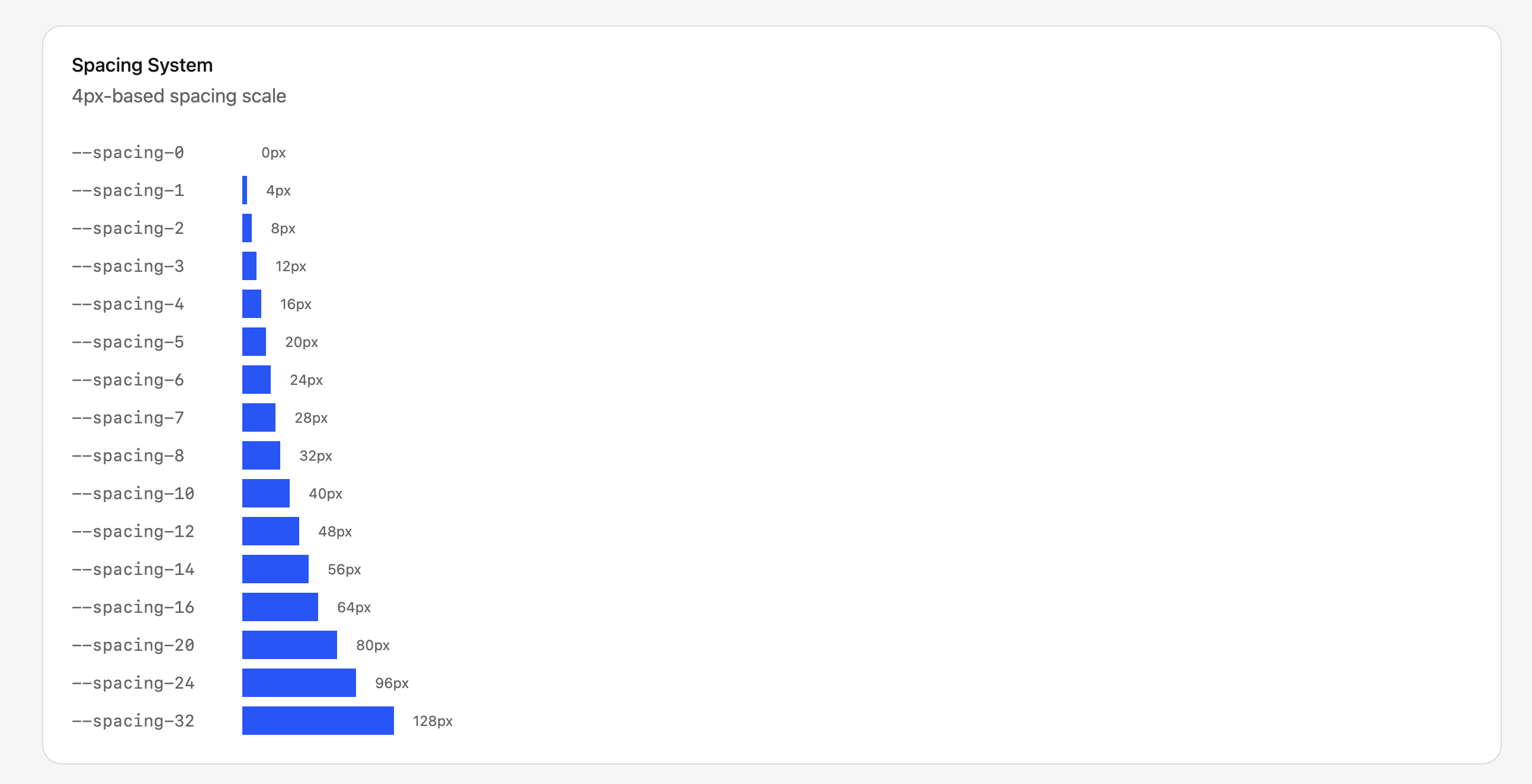
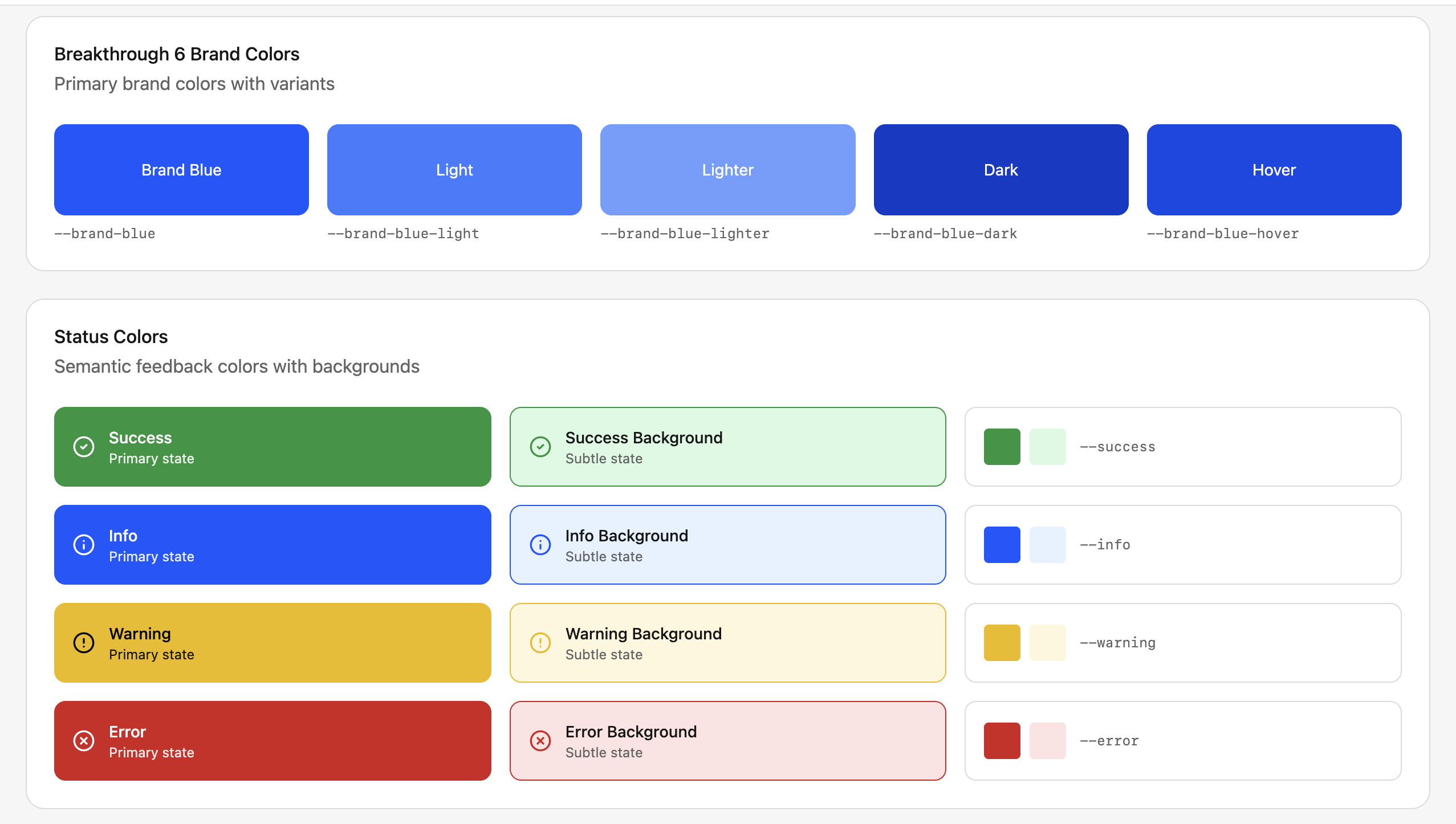
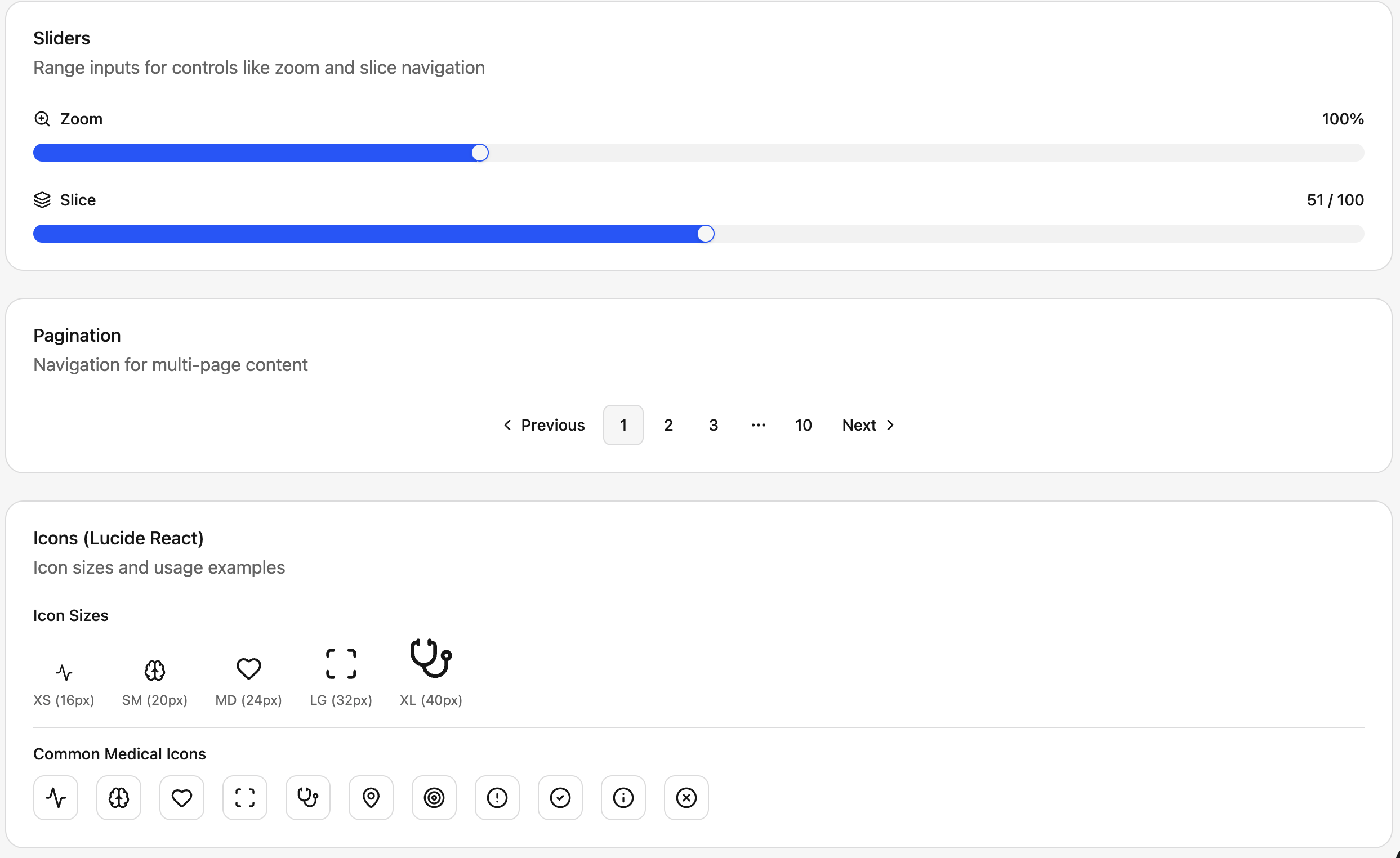
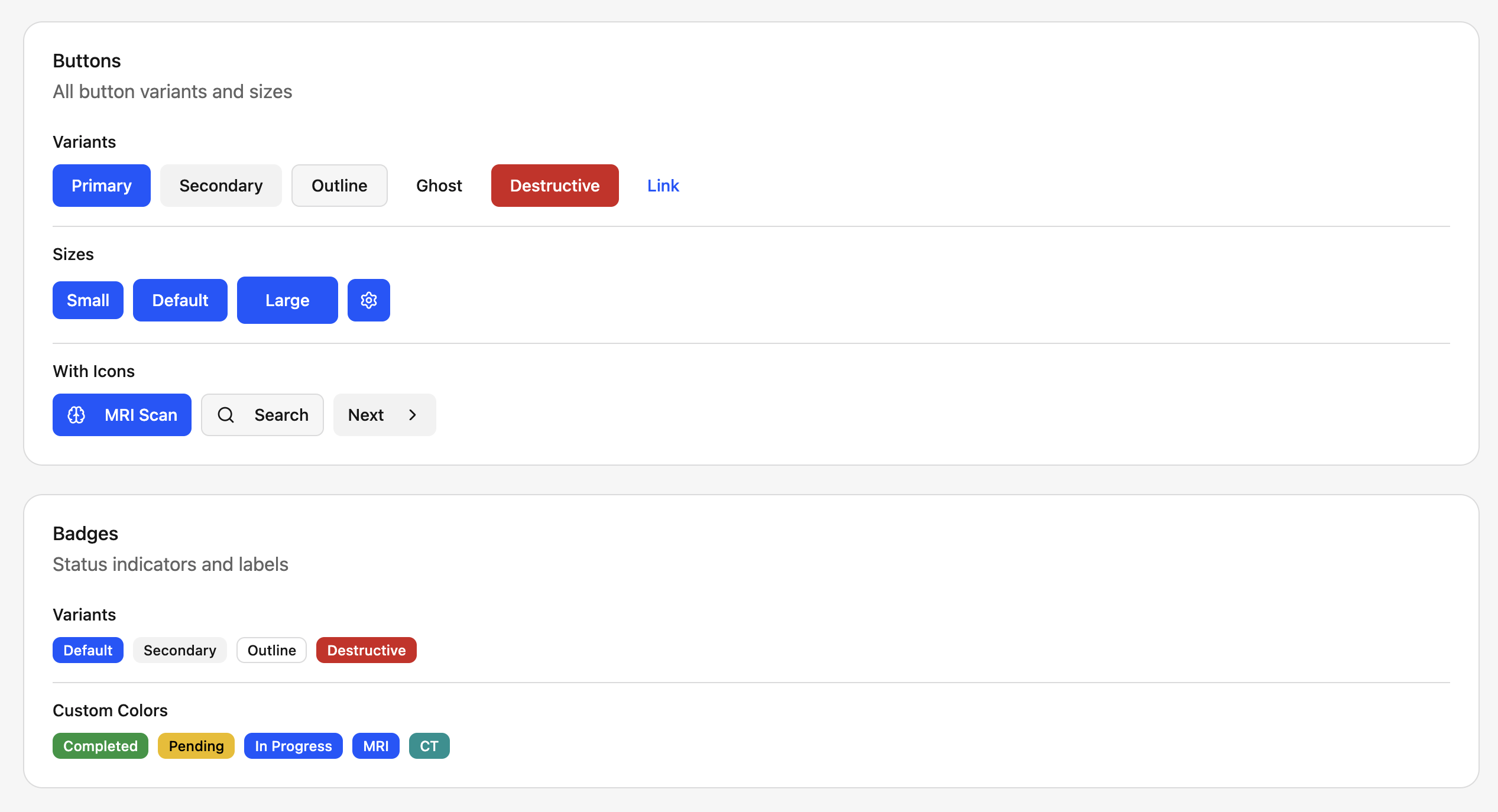
Design System for easier design, and development, and establishing user trust of our products
Comprehensive typography scale and color palette designed for accessibility and medical clarity
The Starting Point
Before transformation, the content presented significant barriers to patient understanding and engagement.
Process Steps:
Identify complex terms using automated scanning
Create patient-friendly alternative with medical team
Test comprehension with patient panel
Validate medical accuracy
Document in terminology database
Plain Language Translation Framework
Medical Term Translations:
Baseline Metrics (Pre-Transformation)
Time on Page
47 seconds
Industry standard: 2+ minutes
Bounce Rate
68%
On treatment pages
Content Findability
23%
Could locate info within 3 clicks
Reading Level
16.3
Graduate level (Flesch-Kincaid)
Support Tickets
450+
Monthly content-related inquiries
Problematic Content Examples
Before
"Transcranial Magnetic Stimulation employs electromagnetic induction to generate electric currents via rapidly changing magnetic fields, targeting specific regions of the cerebral cortex implicated in major depressive disorder pathophysiology."
After
"TMS is a safe, FDA-approved treatment that uses magnetic pulses to stimulate areas of your brain affected by depression. It's like an MRI for treatment - no surgery, no anesthesia, no medication."
Patient Impact Consequences
Treatment Abandonment
34% of patients didn't complete consultation after reading content
Medication Non-compliance
Patients couldn't understand side effect information
Emergency Visits
12% increase due to misunderstood post-treatment instructions
Legal Risks
3 near-miss incidents from misinterpreted consent forms
Content Hierarchy Diagram
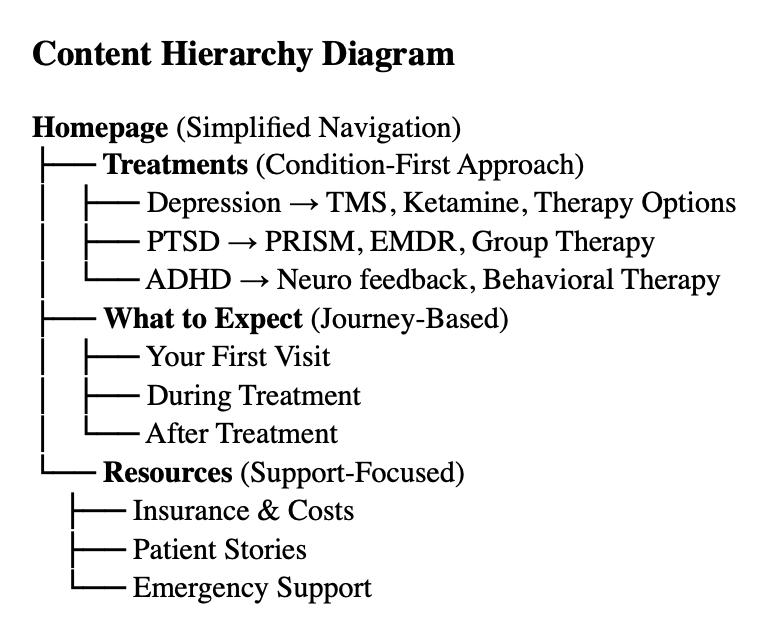
Restructured information architecture prioritizing patient needs with condition-first navigation, journey-based content flow, and comprehensive support resources.